What the supreme court rejected
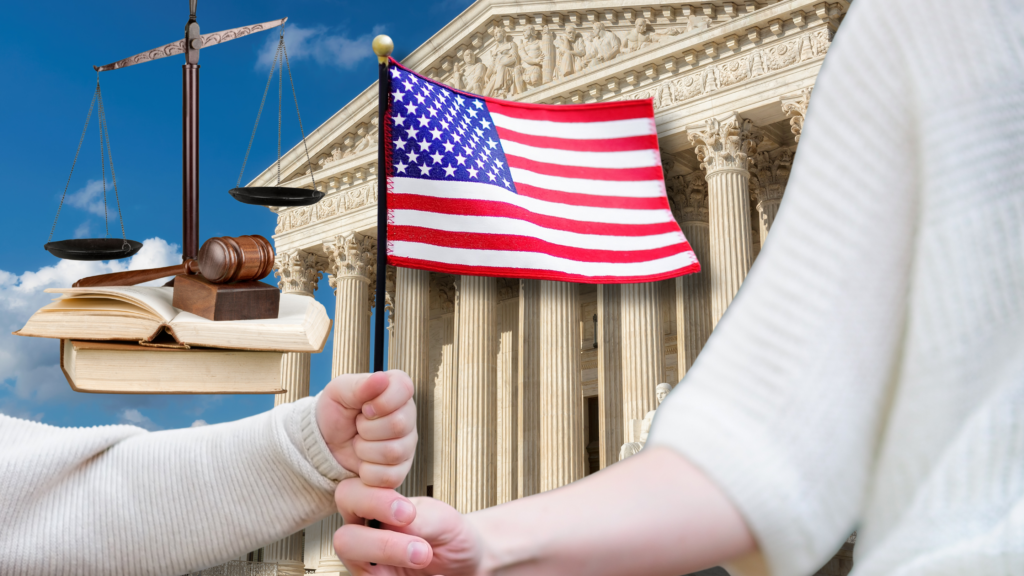
The U.S. Supreme Court upheld birthright citizenship. Learn what the ruling means for children born in the U.S. to international intended parents.
Based on the report of AP News, the 6-3 decision rejected President Donald Trump’s executive order seeking to limit automatic citizenship for certain children born on U.S. soil. (More background on President Trump’s executive order and the legal challenge that led to the Supreme Court’s decision here.)
For intended parents exploring U.S. surrogacy, this decision brings important clarity around one of the most common questions in international family building: what citizenship protections may apply when a child is born in the United States?
In its official opinion (25-365 Trump v Barbara 06/30/2026), the Court confirmed that a parent’s immigration status does not prevent a child born in the United States from being recognized as a citizen. Children born in the country are citizens at birth under the Citizenship Clause.
The ruling also reaffirmed the long-standing precedent from United States v. Wong Kim Ark, a case that has shaped U.S. birthright citizenship law for more than a century. Read more details about it through Reuter’s report on Supreme Court rejects Trump bid to restrict birthright citizenship.
What it means for international surrogacy?
Children born in the United States generally remain citizens at birth under the Fourteenth Amendment’s Citizenship Clause, including when their parents are unlawfully or temporarily present in the country.
For families considering the U.S. as a surrogacy destination, this ruling offers reassurance. However, citizenship is only one part of the surrogacy post-birth process and considerations. It is best for intended parents to still consult experienced legal and agency professionals to prepare for parentage orders, birth certificates, passports and any requirements in their home country.
If you are considering surrogacy in the United States, explore our resources on:
Update – October 2026
President Trump said in July that he would ask the Supreme Court to reconsider its decision, but the deadline passed without a rehearing request being filed. The administration later issued a new order seeking to restrict birthright citizenship, which was blocked by a federal judge in September. The Supreme Court’s June ruling therefore remains in effect.
Why SurrogateFirst?
At SurrogateFirst, we’re more than a matching agency—we’re your support system.
- Compassionate, personalized matching
- 24/7 access to dedicated case managers
- Legal and medical coordination
- Transparent pricing
- Emotional support for surrogates and for intended parents alike