Florida’s New Surrogacy Law Sparks Conversation About Ethics, Family, and Fear
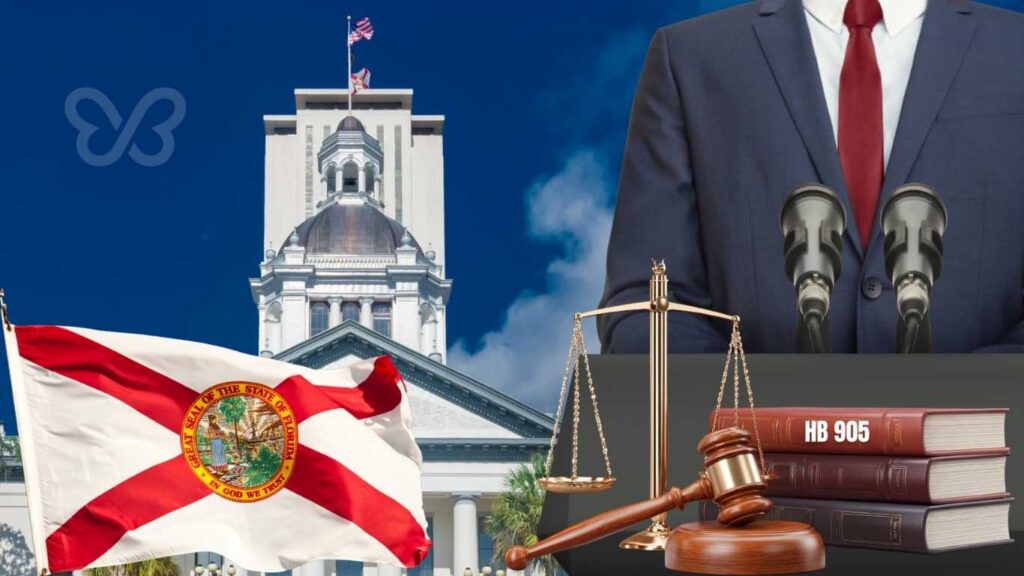
Florida has long been a popular state for surrogacy because of its clear legal protections and established process. However, the passage of HB 905 adds new restrictions that will affect certain surrogacy and adoption agreements involving intended parents from specific foreign countries.
Governor Ron DeSantis recently signed HB 905 into law, a bill that takes effect on July 1, 2026, that includes restrictions on certain surrogacy agreements involving intended parents that are citizens or residents from countries labeled by Florida as “foreign countries of concern,” including China, Russia, Iran, North Korea, Cuba, Syria, and Venezuela.
Under the new legislation, gestational surrogacy contracts involving parties connected to those countries may be considered “void and unenforceable” in Florida.
During the bill signing, DeSantis made headlines after making this strong statement calling out people from foreign countries saying…
“China ships people here for birth. It’s really a seedy thing.”
What is the HB 905 law about
HB 905 law’s overall purpose is to reduce and prevent foreign influence in Florida’s government, economy, public institutions, and critical infrastructure. It is formally called the Foreign Influence Restriction and Enforcement Act. Though this has little to do with family matters, one section specifically impacts gestational surrogacy agreements.
Under the law, surrogacy contracts in Florida may no longer be legally enforceable if any party involved is a citizen or resident of one of the listed “foreign countries of concern.”
Supporters of the bill say the measure is intended to prevent abuse, exploitation, and potential misuse of U.S. citizenship systems.
But many people in the fertility world believe it is important to separate those concerns from the ethicality of surrogacy in the states itself.
| Topic | Related Text of Law | What HB 905 Changes | Potential Impact |
|---|---|---|---|
| Gestational Surrogacy | 742.15(1)(b) | Certain surrogacy agreements involving intended parents from "Foreign Countries of Concern" may no longer be legally enforceable in Florida. | Some intended parents may need to explore alternative options or seek legal guidance. (see below) |
| Preplanned Adoption Agreements – Surrogate | 63.213(2)(A)(1) | Similar restrictions apply to certain adoption agreements covered under the law. | Families considering adoption may need to review their eligibility and legal options. |
| Preplanned Adoption Agreements – Intended Parents | 63.213(2)(A)(2) | Legal requirements may change depending on citizenship, residency, and individual circumstances. | Professional legal guidance is recommended before moving forward. |
Practically, what should you do now?
If you are an intended parent in the USA
Under HB 905, nothing changes for you if you are a U.S citizen or resident and are not connected to any of the countries labeled by Florida as “foreign countries of concern”.
Florida remains a surrogacy-friendly state with established legal protections for intended parents and surrogates. You can continue your journey as planned while staying informed about any future legal updates.
If you are an international intended parent
Remember that HB905 only applies to 7 specific countries for Intended parents and Florida surrogates.
If you/your surrogate are not from one of these, there is no concern to be had for you.
If you are from one of these countries, and haven’t started the journey yet, it will be easiest to get (re)matched with a surrogate from a different state. Make sure your agency includes this criteria in the screening process. You can also learn more about the US Surrogacy Law by State map through our guide.
If there is any uncertainty around your citizenship, dual nationality, or residency status, seek legal guidance early. A quick conversation with an attorney can help clarify how the law may apply to your situation and avoid surprises later in the process.
If you are a surrogate in any state but Florida
This law doesn’t apply to your case.
HB 905 is a Florida law and only affects certain surrogacy arrangements connected to Florida and countries specifically identified in the legislation.
If you are pursuing your journey in another state, your journey will continue to be governed by the laws and regulations of that state.
It is always best to stay in communication with your agency and your legal team so that you will be able to understand any requirements that may apply to your specific journey.
If you are a surrogate in Florida
Remember that HB905 only applies to 7 specific countries for Intended parents and Florida surrogates. Nothing changes if you are working with American intended parents.
If you/your intended parents are not from one of these 7 countries, there is no concern to be had for you.
If they are and you haven’t started the journey yet, it will be easiest to get (re)matched with intended parents from different countries or the US. Make sure your agency includes this criteria in the screening process.
Cases where the HB905 Florida law is most likely to affect you and what to do
If you are from one of the countries covered in HB905, and you are considering surrogacy in Florida, already matched with a surrogate in Florida or are currently in the middle of a journey, now is a good time to stay informed and seek guidance from experienced professionals:
| You are | Not matched yet | Already matched / have signed an agreement / due in June 2026 | Pregnant, with due date after July 2026 |
|---|---|---|---|
| A surrogate from Florida | You should not get matched with intended parents from the 7 countries targeted in HB 905. You can still get matched with international intended parents from other countries without issues. | Confirm whether anyone involved has citizenship or residency ties to one of the seven countries covered by HB 905, as this may affect eligibility under the new law. | If your intended parents are from one of the seven countries covered by HB 905, speak with them, your agency, and your legal team as soon as possible about any potential impact on your case. The law does not specifically state what needs to happen, so professional guidance is recommended on a case-by-case basis. |
| Intended Parent(s) from one of the 7 countries under HB 905 | You should only be matched with a surrogate from a state other than Florida. Other states do not have this limitation, although different laws may apply. Check your state's surrogacy laws before moving forward. | If anyone involved has citizenship or residency ties to one of the seven countries covered by HB 905, speak with a qualified reproductive attorney and a trusted surrogacy agency early to determine whether you may need to rematch. If your journey, including parentage, will be fully completed before July 1, 2026, you should not be affected by the new law. | If you are working with a Florida surrogate, speak with your agency and legal team as soon as possible about the potential impact on your case. The law does not specifically state what needs to happen, so they can best advise you based on your individual circumstances. |
If you are unsure how this law may impact you
Double check with your agency or lawyer. Surrogacy laws can be complex, and factors such as residency, citizenship, and the location of your journey may all play a role. Working with the knowledgeable legal and other professionals of family building can help you make informed decisions with confidence.
Florida's Surrogacy Foreign Ban FAQs
What Are the Legal Restrictions Under Florida's New Surrogacy Law?
Beginning July 1, 2026, Florida law HB 905 prohibits gestational surrogacy contracts if any party involved is a citizen or resident of a country designated as a “foreign country of concern. These countries include China, Russia, Iran, North Korea, Cuba, Syria, and Venezuela. Surrogacy contracts that are entered into despite the restrictions will be considered by Florida law as “void” and “unenforceable.”
How Does Florida's Surrogacy Legislation Affect Intended Parents?
It is important to know that the Florida Surrogacy Foreign Ban does not affect ALL international intended parents seeking surrogacy abroad.
Many families from around the world continue to pursue surrogacy in the United States through ethical and legally compliant pathways. However, international intended parents who are not US citizens or residents and are from the countries named in the legislation will face these new restrictions under Florida law.
For many intended parents, this news is a reminder that surrogacy laws can vary significantly by state and that it could change over time. Working with knowledgeable agencies, attorneys, and fertility professionals can help families understand their options better and navigate changing legal requirements with confidence.
What Alternatives Are Available for Families Affected by the Florida Ban?
Pursuing Surrogacy In Another State
Many states continue to support gestational surrogacy through established legal processes and parentage protections. Since surrogacy laws are governed at the state level, options may exist outside of Florida such as California, Nevada, Illinois and Connecticut. To know more about other surrogacy-friendly states, check out the SurrogateFirst interactive map highlighting the specific legal framework applicable in each state.
Working with International Family-Building Agencies and Professionals
When laws and regulations change, one of the biggest concerns for intended parents is understanding what happens next, especially if a journey is already underway. You can find first level information about where surrogacy is legal here.
Working with an experienced agency can provide an added layer of support during periods of legal change. Agencies that work across multiple states and maintain relationships with reproductive attorneys, fertility clinics, and surrogates in different jurisdictions may be better positioned to help families evaluate alternative pathways if circumstances change.
What are the eligibility requirements for intended parents pursuing surrogacy outside of Florida?
Because surrogacy laws vary by state, eligibility requirements and legal processes may differ depending on where the journey takes place.
In situations where laws change or eligibility requirements evolve over time, working with an experienced agency can help identify alternative pathways. SurrogateFirst works with qualified surrogates across multiple states, not just Florida, allowing intended parents to explore other options that may better fit their circumstances and stage in the journey.